The Pinterest 2026 report on leisure, published at the end of August, highlighted a clear shift: the most sought-after activities by users provide a concrete anchor in daily life, far from image-driven practices.
The data on the sporting habits of the French remind us that a significant portion of the public is giving up certain activities deemed too costly, particularly among those aged 18-34 and in lower-income categories. Between the desire for novelty and budget constraints, this year’s trending leisure activities are shaped around some less obvious underlying themes.
Nostalgic leisure: why handmade is making a comeback
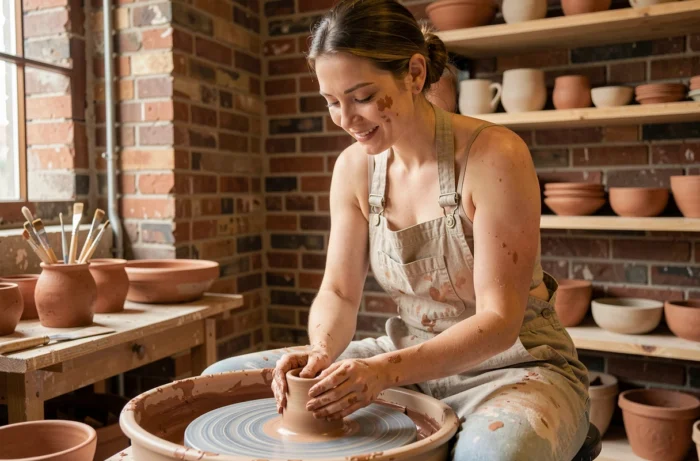
Classic lists of activities to try mention pottery, embroidery, or crochet as suggestions among others. However, a deeper movement connects these practices. Several sources converge to describe these practices as nostalgic leisure combining creativity and reuse.
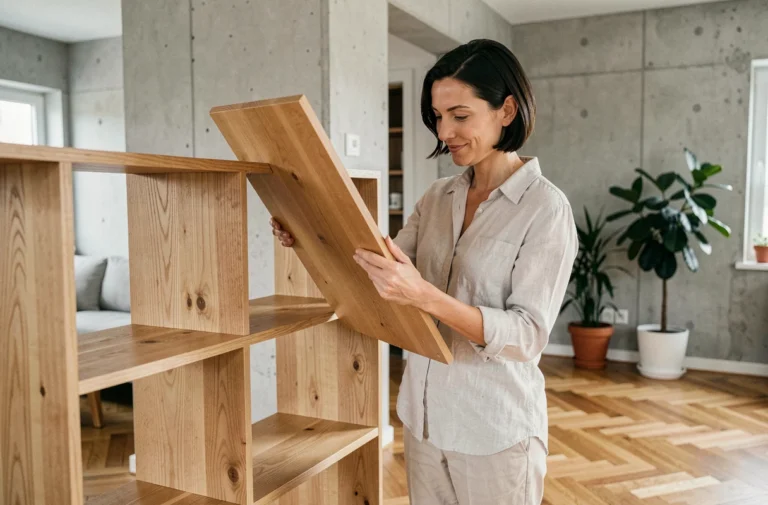
The principle goes beyond mere pastime. Repairing a piece of furniture, customizing a thrifted garment, creating a decorative object from resin or cyanotype: these actions blend ecological dimensions (repair, second life of materials) with the personalization of living space. The Pinterest 2026 report identifies this trend as one of the most significant, driven by both millennials and Generation Z.
Browsing the leisure activities offered on Lozzoo, one can gauge the diversity of these manual practices accessible without heavy investment. A two-hour workshop is often enough to discover a technique and leave with a tangible creation.
What distinguishes this wave from previous ones
The difference with the DIY boom of the 2010s lies in motivation. At that time, the goal was often to publish the result. Today, field feedback points to a need for disconnection from screens and voluntary slowing down. The manual gesture becomes an end in itself, not a piece of content to share.
Budget constraints and free leisure: the tension that lists ignore
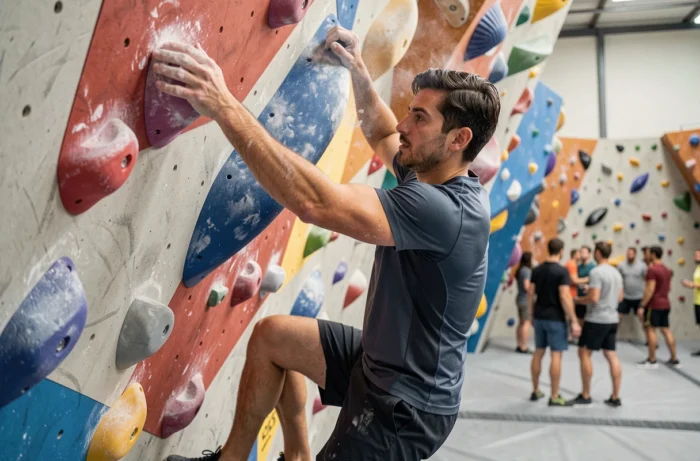
Recommending signing up for a climbing class or a ceramics workshop assumes a budget that not everyone has. A recent study on sports and the French highlights that a significant portion of those aged 18-34 are giving up sports activities for financial reasons, with an over-representation of lower-income categories.
This reality pushes some of the public towards low-cost or free leisure activities. Informal group running, urban hikes, outdoor drawing, or library book clubs require no subscription. Yet, they remain absent from most “trending” selections, which favor monetizable activities.
Criteria for evaluating the true cost of a leisure activity
- Initial equipment: some activities (watercolor, punch needle) require a modest starter kit, while others (film photography, horseback riding) involve a much higher recurring investment
- Place of practice: a shared workshop or a neighborhood association often costs a fraction of a private class in the city center
- Necessary regularity: a team sport with weekly training requires more commitment than a one-off activity like hiking
- Hidden costs: travel, specific clothing, consumables (threads, paints, clays) that accumulate over several months
Before choosing, asking these four questions can help avoid dropping out after a few weeks, often linked to an underestimation of the overall budget.
Outdoor activities and accessible sports: what field data shows
The Seasonova outdoor observatory and recent tourism reports confirm a growing interest in outdoor activities. Walking, cycling, and nature outings are among the most cited practices across all ages.
What makes these leisure activities relevant in 2026 is their financial accessibility and adaptability to all levels. No license or technical equipment is needed to hike in suburban forests or do yoga in a park. Informal groups organized via social networks are multiplying, particularly in medium-sized cities.
The available data does not allow us to conclude that these practices are permanently replacing club sports. Field feedback varies on this point: some sports associations report a resurgence in registrations at the start of the school year, while others observe a persistent decline since the post-pandemic period.
Creative workshops in the city: the offer that structures the trend
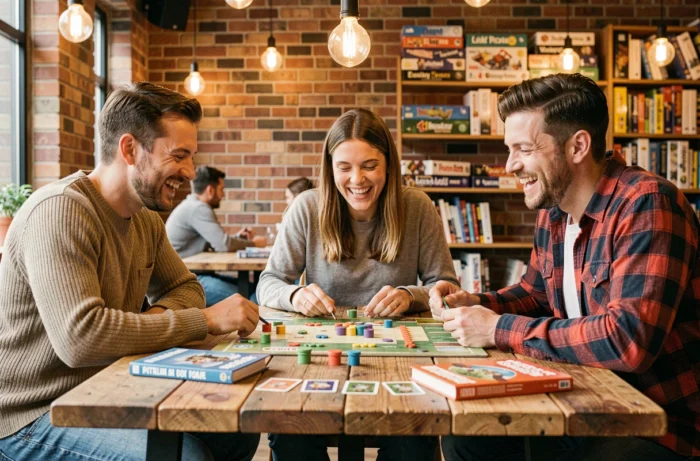
Paris, Lyon, Bordeaux, Marseille: occasional workshops (without subscription) have multiplied in major French cities. Pottery, candle making, introduction to cyanotype, sewing a simple garment in one session – the short format meets a demand for discovery without commitment.
This economic model works because it lowers the entry barrier. Where an annual ceramics course costs several hundred euros, a two-hour discovery workshop remains accessible to a broader audience. The format also attracts families looking for a shared activity on weekends.
Limitations of the current offer
Geographical concentration remains an issue. Outside major urban areas, access to these workshops is still limited. Online platforms partially compensate for this imbalance with tutorials and kits delivered to homes, but the collective experience and support from an instructor are lacking remotely.
The question of the sustainability of these practices also arises. An occasional workshop may spark interest, but the transformation into a regular leisure activity depends on the local availability of a practice venue, a peer group, or a suitable space at home. Without this anchoring, the activity remains a one-off.
The leisure activities that mark this year share a common trait: they place the gesture, slowness, and direct contact at the center of the experience. However, geographical and financial access to these practices remains unequal, and it is often this factor that separates a one-time discovery from an established habit.