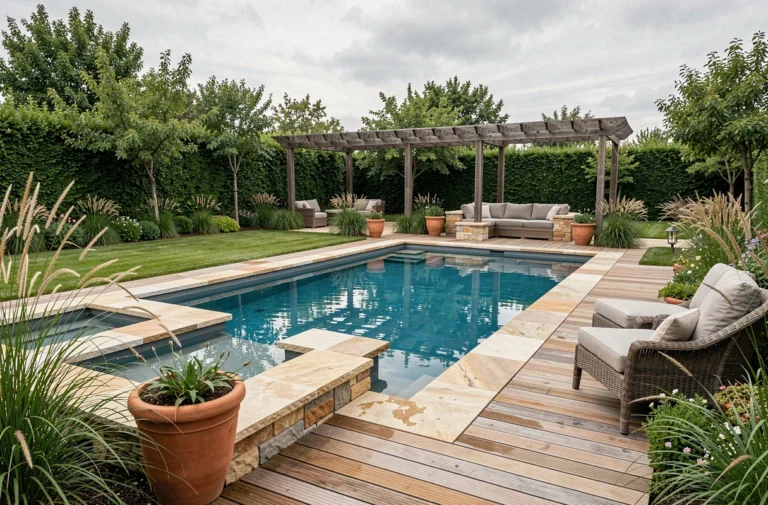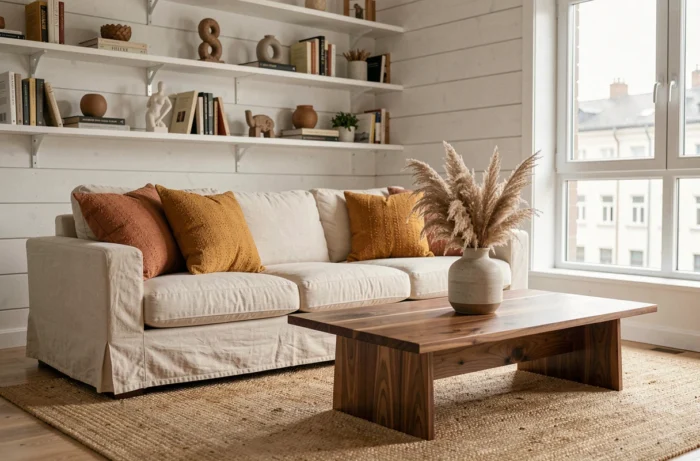
Transforming an interior in 2024 is no longer just about choosing a wall color or a new sofa. Energy renovation, the rise of second-hand goods, and technical constraints related to insulation are reshaping how we approach a decoration project. Before discussing style, one must talk about walls, dimensions, and material compatibility.
Energy Renovation and Interior Decoration: The Project That Conditions Everything
Insulation work modifies wall thicknesses, available dimensions, and sometimes the placement of outlets or lighting. Interior insulation can reduce the usable area of a room by several centimeters per wall. This technical detail has direct consequences on furniture, storage, and circulation within the space.
Validating the new dimensions before ordering custom furniture is a step that many individuals discover too late. A piece of furniture designed for a wall of 3.20 m will no longer fit if insulation has reduced the width to 3.05 m. The compatibility of decorative coatings with insulating supports also raises questions: some lime finishes or certain wallpapers do not adhere to all types of insulating panels.
In France, MaPrimeRénov’ has redirected aid in 2024 towards comprehensive renovations, favoring bundles of work that allow for a gain of at least two energy classes. This evolution directly influences decorative projects: before choosing paints or coverings, one must plan insulation, heating, and ventilation. A room whose ventilation system changes may require reevaluating the placement of a false ceiling or decorative cornice.
The inspirations published on the site tendances-deco.fr show how much aesthetic choices depend on these upstream technical constraints.
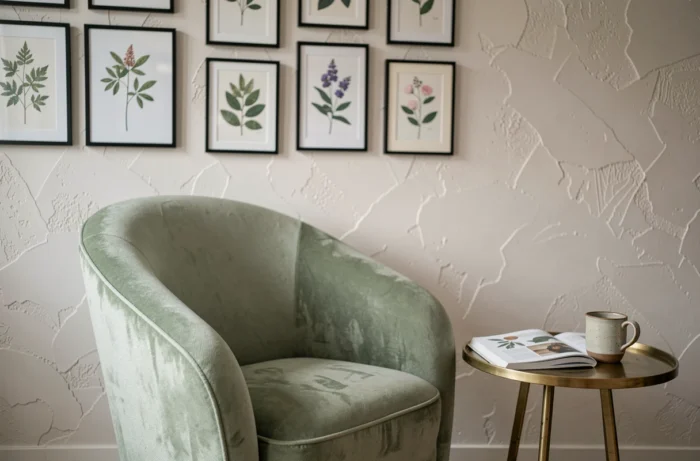
Second-Hand and Decoration: A Changing Market
The share of French people who have purchased second-hand furniture or decorative items has increased between 2021 and 2024, before experiencing a slowdown afterward. This growth is not just a passing trend. It reflects a change in the perception of the value of a decorative object.
A 1960s sideboard found on a resale platform can cost significantly less than a new model of equivalent quality. However, second-hand items come with constraints that new ones do not: non-standard dimensions, finishes that need to be redone, and variable conditions from one seller to another. Buying second-hand requires more time and checks than a store purchase.
What Circularity Changes in a Decoration Project
An interior partly composed of second-hand pieces is not decorated like a space furnished in a single order. Colors, wood types, and styles mix out of necessity. This heterogeneity can become an asset as long as there is a common thread, whether it be chromatic or related to a dominant material.
- Defining a palette of two or three main colors helps absorb the style gaps between new and second-hand furniture
- Favoring a single dominant material (light wood, black metal, rattan) creates visual coherence even with pieces from different origins
- Checking exact dimensions before purchase avoids impossible returns, which are common on platforms between individuals
Colors and Materials in 2024: Beyond the Hype
Earthy color palettes and saturated shades like emerald green or royal blue regularly appear in trend lists. The reality of a living room or bedroom is more nuanced. A saturated color on four walls can tire the eye in a few months. Most professional decorators recommend limiting strong shades to a single wall or movable elements (cushions, curtains, objects).
Natural materials (raw wood, stone, linen, wool) remain popular. Their durability depends on the actual use of the room. A raw wood countertop in a kitchen requires regular maintenance that many households are not prepared to undertake. The choice of material must take into account actual maintenance, not just aesthetics.
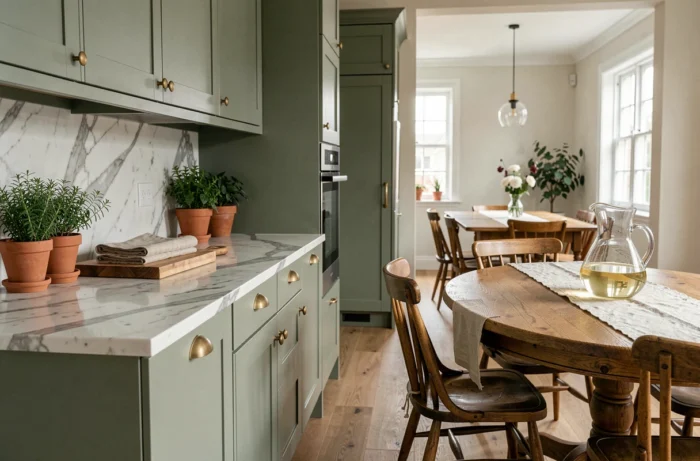
Combining Colors and Light Constraints
The orientation of the room conditions the rendering of a color much more than its reference on a color chart. A warm shade (ochre, terracotta) in a south-facing room can appear overwhelming in summer. Conversely, a deep blue in a north-facing room may make the space feel dark and cold.
Testing the color on a surface of at least one square meter, observing the result at different times of the day, remains the most reliable method. Samples of a few square centimeters provided in stores are not sufficient to judge the final rendering.
Decoration Budget: Often Underestimated Items
Furniture and paint attract attention, but several items weigh heavily without being anticipated:
- Lighting represents a significant investment when moving from basic ceiling fixtures to a system combining ambient light, reading lights, and directional spots
- Floor coverings (parquet, tiles, high-end vinyl) often cost more than painting the walls, including installation
- Textiles (custom curtains, quality rugs, linens) add up quickly, especially for multiple rooms
- Hardware and finishes (handles, baseboards, switches) are details with low unit costs but whose total can be surprising
A realistic decoration budget includes lighting, flooring, and textiles from the start. Allocating the budget solely between furniture and paint leads to visible compromises on finishes, which are precisely what gives an interior its polished character.
Field returns differ on this point: some successful projects rely on simple furniture enhanced by careful lighting, while others focus on strong furniture pieces in a sober decor. The hierarchy of budget items depends on the actual lifestyle of the occupants, not on a universal rule.