A tomato plant that dies in July despite daily watering, aphids colonizing the beans while the hedge of thuja next door is perfectly trimmed: we all know these situations. Gardening in 2026 is no longer just about planting and watering. Climate and regulatory constraints are changing the game, and enthusiasts who adapt reap better rewards with less effort.
Threatened wild plants in the garden: a useful gesture still rarely practiced
When thinking about biodiversity in the garden, we often think of the flower mixes sold in garden centers. These packets contain generalist species, sometimes non-native, that feed a few pollinators but do not replace the declining local plants.
A different angle is to introduce threatened native wild species into one’s own garden. According to Zoom Nature (September 2026), this private conservation practice helps maintain plant populations that are disappearing from natural environments under the pressure of urbanization and climate change.
In practical terms, one can approach regional botanical conservatories to identify species suited to their soil and exposure. A clayey plain will not host the same plants as a calcareous hillside. Regularly, news on the Le Jardineur site details these efforts by region.
The benefit is twofold: these plants, adapted to the local climate for centuries, require less water and maintenance than traditional horticultural varieties. They also provide a specific food resource for local pollinating insects, which standardized mixes do not guarantee.
Vegetable garden and wild biodiversity: the false opposition
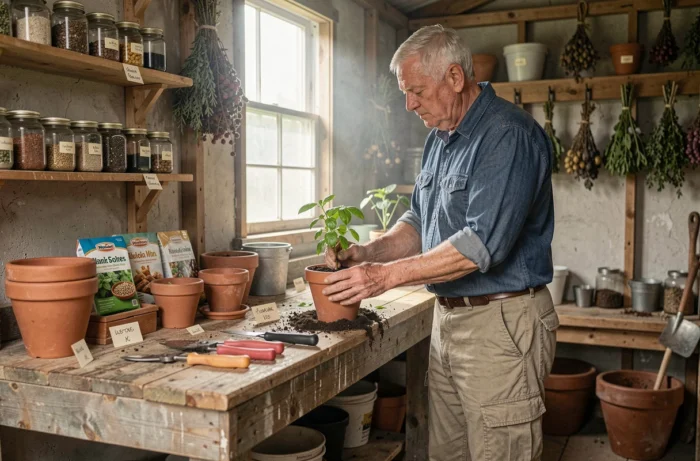
It is often said that a productive vegetable garden and a garden favorable to wildlife would be two contradictory goals. A study reported in September 2026 by News Europa, focusing on Parisian gardens, shows the opposite: vegetable gardeners report more practices favorable to pollinators than those who do not grow vegetables.
This result can be explained quite simply. A well-managed vegetable garden relies on the presence of beneficial insects: bees for pollinating squash, hoverflies and ladybugs against aphids, earthworms for soil structure. The gardener who produces vegetables has a direct interest in promoting this wildlife.
Concrete practices that combine production and wildlife support
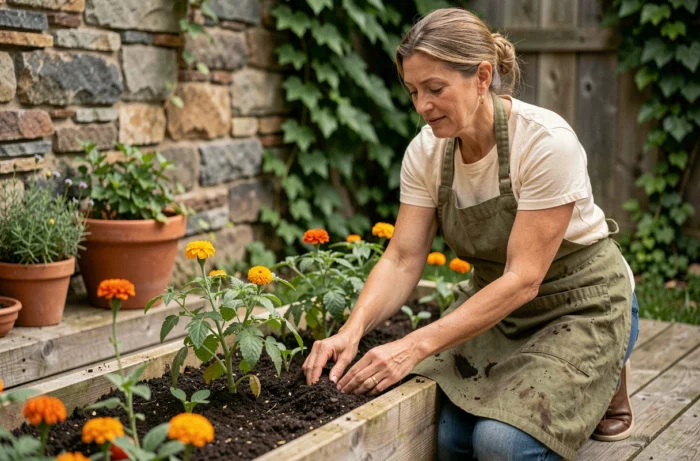
- Let a few carrot, parsley, or coriander plants flower at the end of the season: their umbels massively attract beneficial insects and produce harvestable seeds
- Install a one-meter strip that is not mowed along the vegetable garden instead of a closely trimmed lawn, to provide a refuge for pest predators
- Keep the hollow stems of perennials cut in winter (dead leaves, dead wood) as shelters for overwintering insects instead of cleaning everything up in the fall
You don’t need a large plot. Even on a few square meters, combining vegetables and refuge areas changes the pest dynamics of the vegetable garden in just a few seasons.
Water restrictions and plant choices: what really changes watering
Periods of drought are increasing, and prefectural orders restricting watering now affect areas that were not used to it. According to 20 Minutes (September 2026), the question arises whether municipalities will be able to maintain their flower beds despite the lack of water. The same constraint applies to private gardens.
The solution does not solely rely on mulching, although it is a useful reflex. The rising purchasing criterion is information on the actual water needs of each plant. FloralDaily reports that French consumers are increasingly seeking information on water consumption, local or imported origin, and the contribution of plants to biodiversity.
Adapting your soil before choosing your plants
Planting drought-resistant species in compacted soil solves nothing. Rainwater runs off instead of infiltrating, and even a lavandin suffers in suffocated soil.
More is gained by working on the soil structure beforehand: adding compost, loosening with a broadfork, and maintaining permanent coverage with organic mulch (leaves, wood chips). A living and aerated soil retains water much longer than bare ground, regardless of the plant installed on top.
Responses vary on this point depending on the nature of the terrain: sandy, draining soil does not react like heavy clay. In sandy soil, compost increases water retention. In clay soil, it improves drainage and rooting. In both cases, working the soil remains more effective than multiplying waterings.
Zero pesticides in the garden: regulations that many ignore
The Labbé law prohibits the use of synthetic chemical pesticides by individuals in their gardens. This ban is not new, but controls are tightening, and fines are not symbolic.
In practice, the “homemade recipe” reflex can cost more than manual weeding. Low-concentration white vinegar to clean patio slabs is not a problem, but spraying paths with a mixture of salt-vinegar-dish soap destroys soil life and exposes one to penalties.
- For paths: regular hoeing, boiling cooking water on weeds, or laying geotextile and mineral mulch
- For flower beds: thick organic mulch (dead leaves, coarse compost) that limits the germination of unwanted plants
- For the vegetable garden: false sowing before planting (preparing the soil, allowing weeds to germinate, then destroying them with a rake before sowing)
These methods require a bit more time at first, but they build a more fertile soil year after year, whereas chemical herbicides or their “natural” substitutes deplete the earth.
Gardening in 2026 relies on a few operational principles: choosing plants based on soil and climate rather than a catalog, accepting a bit of plant disorder to gain beneficials, and checking regulations before concocting a homemade treatment. Enthusiasts who apply these adjustments spend less time correcting problems and more time harvesting.